 In the course of bringing about an end to chimpanzee research, Project R&R’s science team, along with other scientists, investigated the limitations and problems of using chimpanzees as a means of studying human disease and health. They also looked at the life-long suffering that has resulted for chimpanzees from their use and laboratory confinement.
In the interest of open discussion, we welcome comments. If you have a paper to contribute or questions, contact us.
Project R&R Bibliography
Implementing the CHIMP Act
Over 900 chimpanzees continue to languish in laboratories in the U.S., the last remaining largescale user of chimpanzees for research.1 The U.S. government owns or financially supports nearly 600 of…
The Bioethics of Great Ape Well-Being (Spanish translation):
Los chimpancés (Pan troglodytes) comparten muchas de las facultades y capacidades psicológicas que provocan la aprobación de leyes cuando se encuentran en el ser humano, para…
A Review of Autopsy Reports on Chimpanzees in or from U.S. Laboratories
Approximately 1,000 chimpanzees are currently held in five federally owned or supported U.S. laboratories. This study reviews 110 autopsy reports on chimpanzees who died from 2001-2011 in…
The Bioethics of Great Ape Well-Being:
Chimpanzees (Pan troglodytes) possess the same psychological faculties and capacities that, when found in humans, motivate laws to protect our species from abuse. However, current U.S. regulations…
Lessons from Chimpanzee-Based Research on Human Disease:The Implications of Genetic Differences
Assertions that the use of chimpanzees to investigate human diseases is valid scientifically are frequently based on a reported 98–99% genetic similarity between the species. Critical analyses…
An Economic Analysis:
While other nations have banned or limited great-ape use in research, approximately 1,000 federally owned and/or supported chimpanzees remain in U.S. laboratories. Less than 20% are in research…
An Assessment of the Use of Chimpanzees in Hepatitis C Research Past, Present and Future
Part 1: Validity of the Chimpanzee Model The USA is the only significant user of chimpanzees in biomedical research in the world, since many countries have banned or limited the practice due to…
Developmental Context Effects on Bicultural Posttrauma Self Repair in Chimpanzees
Longitudinal studies have shown how early developmental contexts contribute significantly to self-development; their influence extends through adulthood, informs sociality, and affects resilience…
An Examination of Chimpanzee Use in Human Cancer Research
Advocates of chimpanzee research claim the genetic similarity of humans and chimpanzees make them an indispensable research tool to combat human diseases. Given that cancer is a leading cause of…
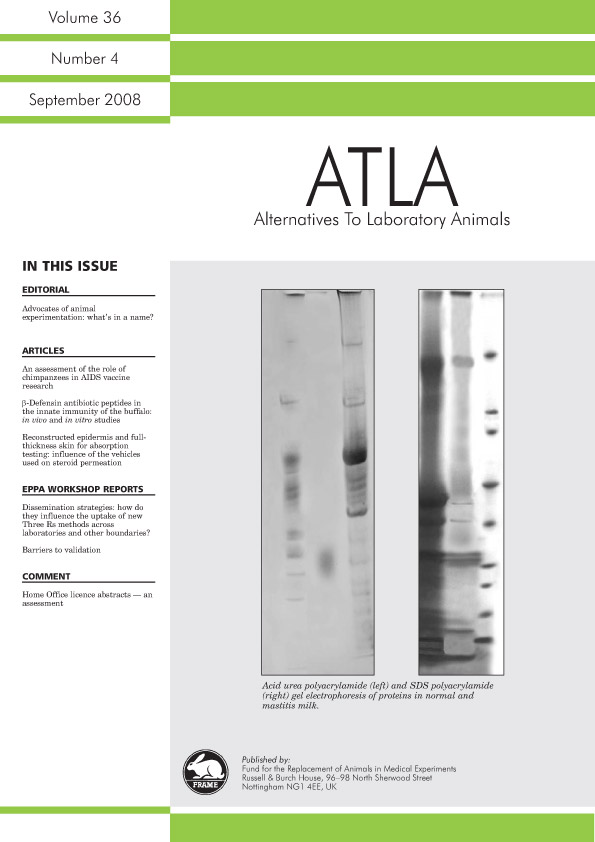
An Assessment of the Role of Chimpanzees in AIDS Vaccine Research
Prior to Simian Immunodeficiency Virus (SIV)-infected macaques becoming the ‘model of choice’ in the 1990s, chimpanzees were widely used in AIDS vaccine research and testing. Faced with…
Building an Inner Sanctuary: Complex PTSD in Chimpanzees
Through the analysis of case studies of chimpanzees (Pan troglodytes) in residence at a sanctuary, who previously sustained prolonged captivity and biomedical experimentation, we illustrate how human…
An Examination of Its Contribution to Biomedical Knowledge and Efficacy
Research on captive chimpanzees incurs considerable animal welfare, ethical and financial costs. Advocates of such research claim these costs are outweighed by substantial advancements in biomedical…
A Brief Introduction to Human/Chimpanzee Biological Differences
Their Negative Impact on Research into Human Conditions, and Scientific Methods for Better and More Humane Research In addition to the important ethical concerns surrounding the use of chimpanzees in…
Chimpanzees and Aging Research
Using elder chimpanzees in human aging research Though memory loss is recognized as common during aging, many older individuals who experience memory problems lead rich, rewarding, independent lives.…
A Brief Overview of Chimpanzees and Aging Research
What Causes Aging? It is thought that aging is caused by a gradual accumulation of cellular damage over time, resulting in a decline in function of the in-built systems that keep us healthy(1). This…
The French Blood Scandal
As the AIDS epidemics developed in the early eighties, health authorities wanted to avoid it spreading past the gay community and drug consumers, in particular through blood transfusion to…
Future of Teratology Research is In Vitro
Birth defects induced by maternal exposure to exogenous agents during pregnancy are preventable, if the agents themselves can be identified and avoided. Billions of dollars and manhours have been…
A Scientific Case for the Elimination of Chimpanzees in Research
Executive Summary Chimpanzees are Homo sapiens’ closest evolutionary relative. If any animal is an appropriate model of humans for research into diseases such as AIDS, Alzheimer’s,…
Chimpanzees and Medical Research
The foundation of the animal rights movement and the motivation behind the efforts of groups that promote animals’ rights (AR) such as NEAVS is the premise that animals such as chimpanzees are…